About Soroteca
There are only a limited number of areas in the world where you can plant teak trees to achieve the best quality.
How we do it
How do we do it?
Growing teak worth harvesting takes two decades of decisions made in the right order. Land first, then genetics, then restraint, and a standard that holds through all of it.
Why we do it
People, planet and prosperity
Three commitments hold the whole operation together. Drop any one of them and the other two stop making sense.
People
The plantation supports the communities around it: steady work, fair conditions, and timber given to local schools and playgrounds. What grows here should be felt here first.
Planet
Every hectare we plant was worn-out cattle pasture. Reforestation brings back the soil, the shade and the wildlife that grazing stripped away, and locks up carbon for decades.
Prosperity
Demand for responsibly grown teak keeps climbing. That makes doing this properly the profitable option too, which is the only way it lasts.
Planting to cutting
Four steps, one twenty-year rotation
01 / 04
01
Land selection
We plant only on degraded pasture, never on cleared forest.
Teak is fussy about where it will thrive: it wants a long dry season, deep well-drained soil and a tropical latitude. Mato Grosso has all three. We plant only on land already cleared for cattle decades ago, never on standing forest, so every hectare is a gain rather than a trade.
02
Selection of seedlings
Clones chosen for straight growth and heartwood quality.
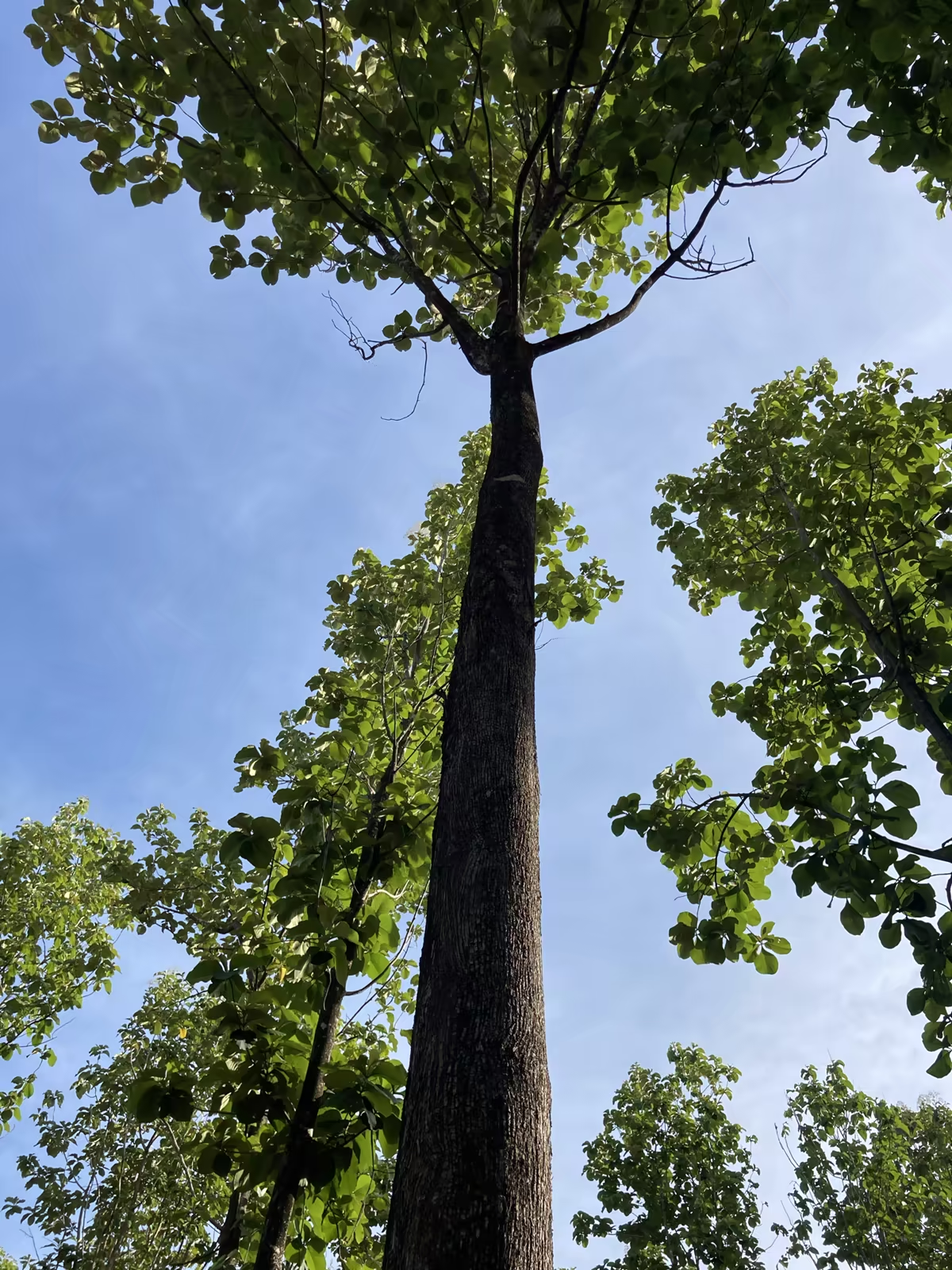
Seedlings are propagated from mother trees selected for straight stems, fine branching and dense heartwood. Starting from proven genetics decides most of what the timber will be worth twenty years later; no amount of later care rescues a poor start.
03
Quality over quantity
Thinned and pruned by hand so every remaining tree earns its space.
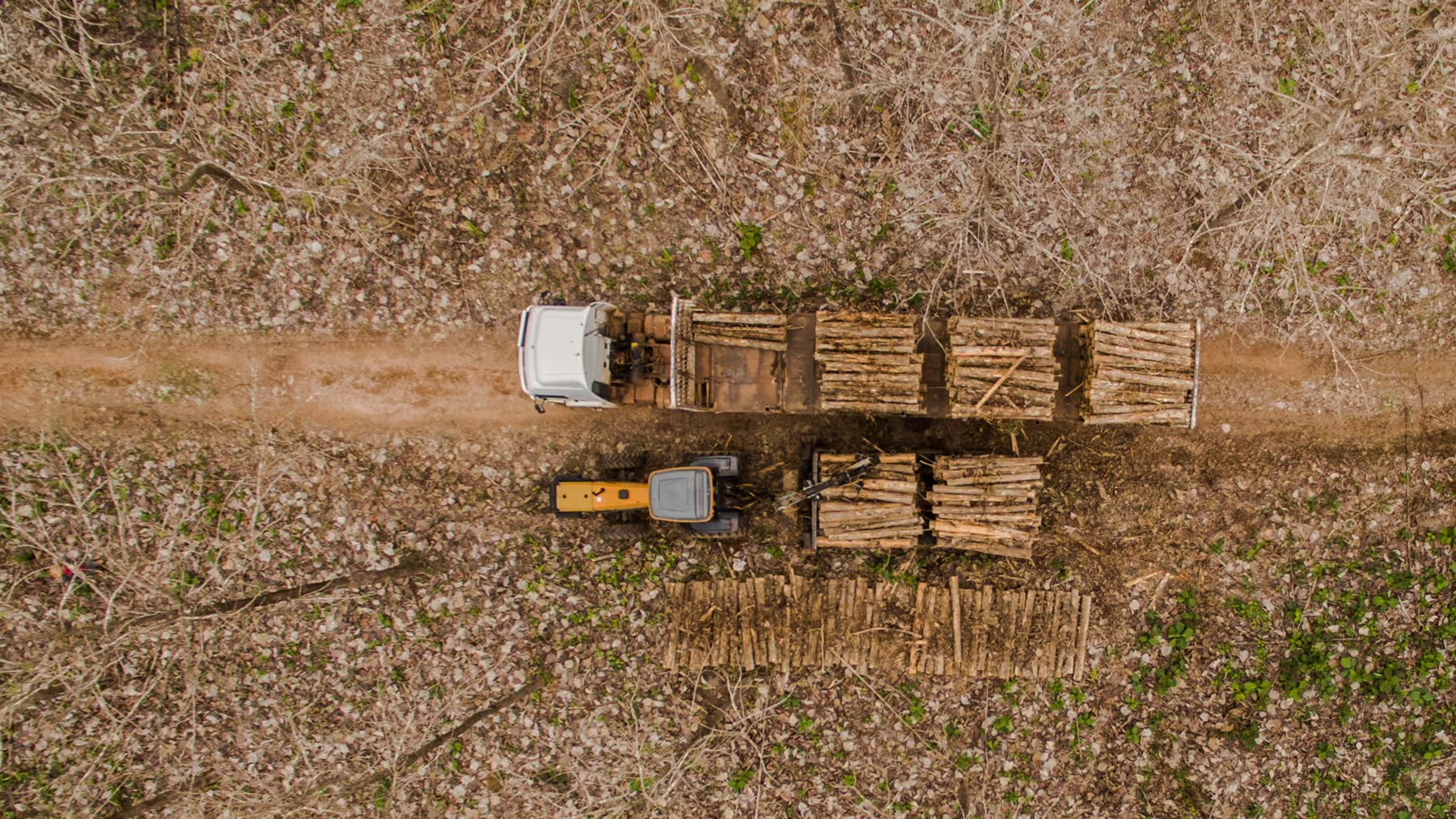
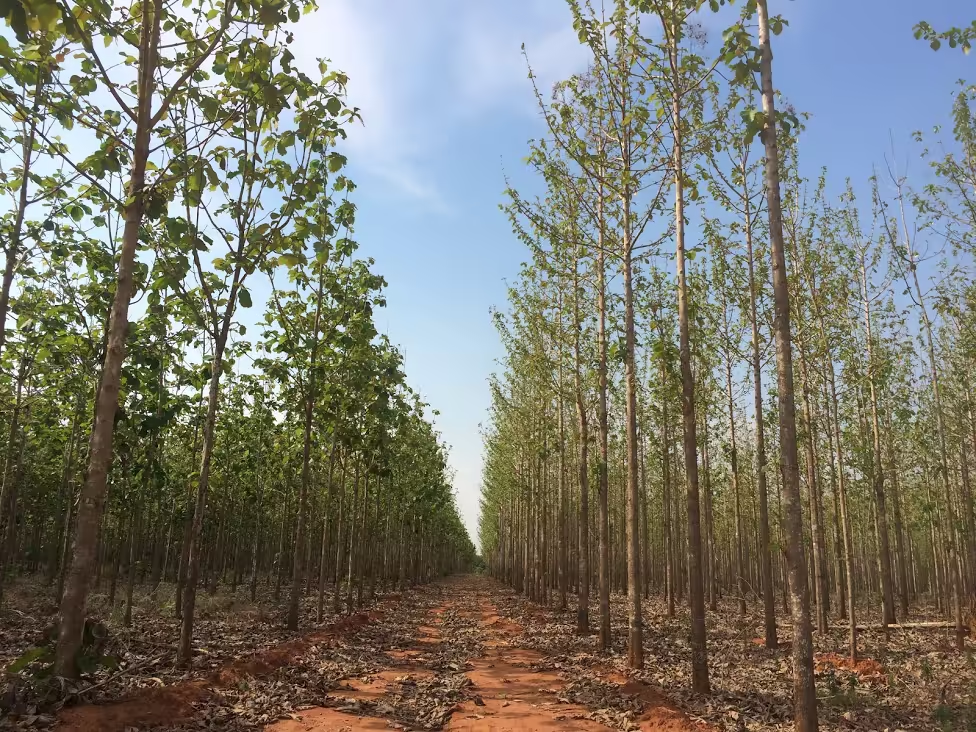
We thin hard and prune by hand. Removing good trees to give better ones room feels wasteful in year six and is obviously right by year twenty. It is what produces long, knot-free, straight-grained logs instead of a dense stand of mediocre ones.
04
For people and the environment
Managed to a plan audited against FSC® standards, year after year.
The whole operation runs to a management plan audited against FSC® standards year after year: watercourses buffered, native reserves left intact, workers paid and housed properly, and timber given to schools and playgrounds nearby.
01 / 04
01
Land selection
We plant only on degraded pasture, never on cleared forest.
Teak is fussy about where it will thrive: it wants a long dry season, deep well-drained soil and a tropical latitude. Mato Grosso has all three. We plant only on land already cleared for cattle decades ago, never on standing forest, so every hectare is a gain rather than a trade.
02 / 04
02
Selection of seedlings
Clones chosen for straight growth and heartwood quality.
Seedlings are propagated from mother trees selected for straight stems, fine branching and dense heartwood. Starting from proven genetics decides most of what the timber will be worth twenty years later; no amount of later care rescues a poor start.
03 / 04
03
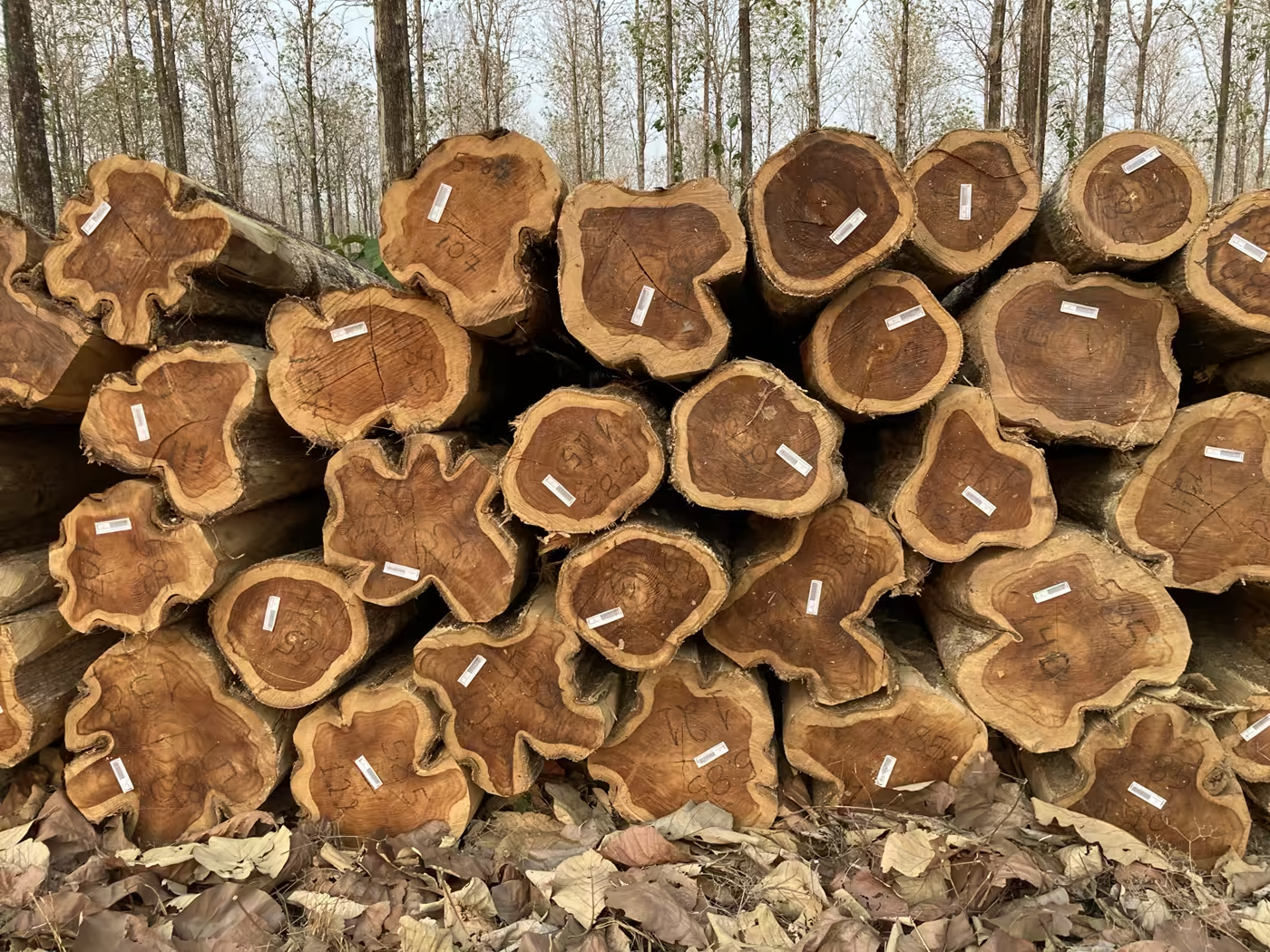
Quality over quantity
Thinned and pruned by hand so every remaining tree earns its space.
We thin hard and prune by hand. Removing good trees to give better ones room feels wasteful in year six and is obviously right by year twenty. It is what produces long, knot-free, straight-grained logs instead of a dense stand of mediocre ones.
04 / 04
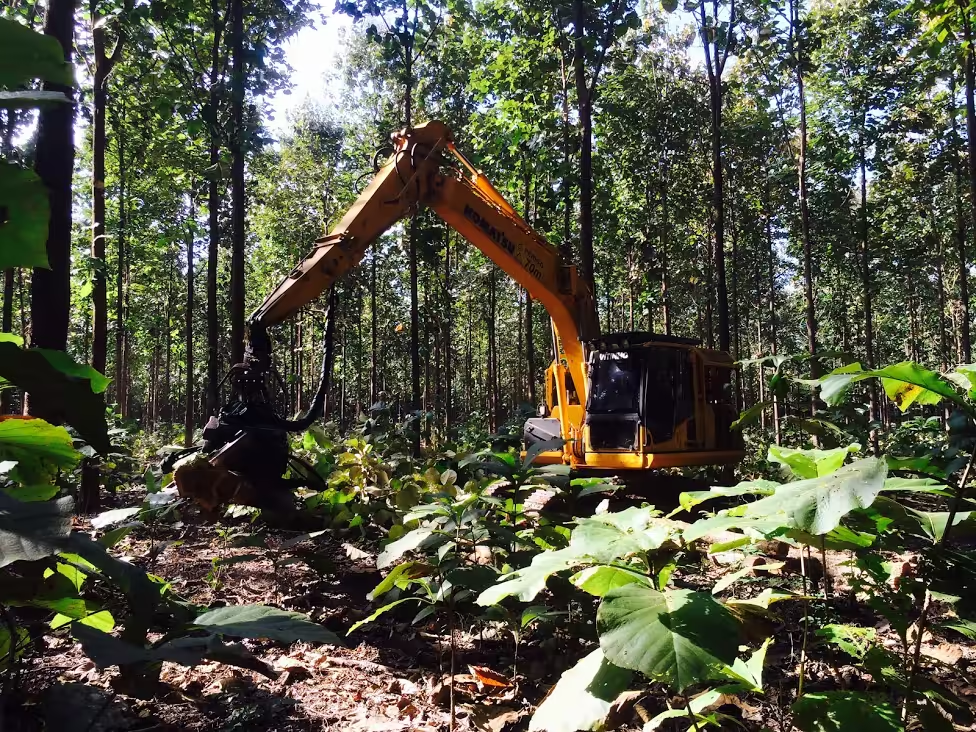
04
For people and the environment
Managed to a plan audited against FSC® standards, year after year.
The whole operation runs to a management plan audited against FSC® standards year after year: watercourses buffered, native reserves left intact, workers paid and housed properly, and timber given to schools and playgrounds nearby.
For people and the environment
What the plantation adds up to
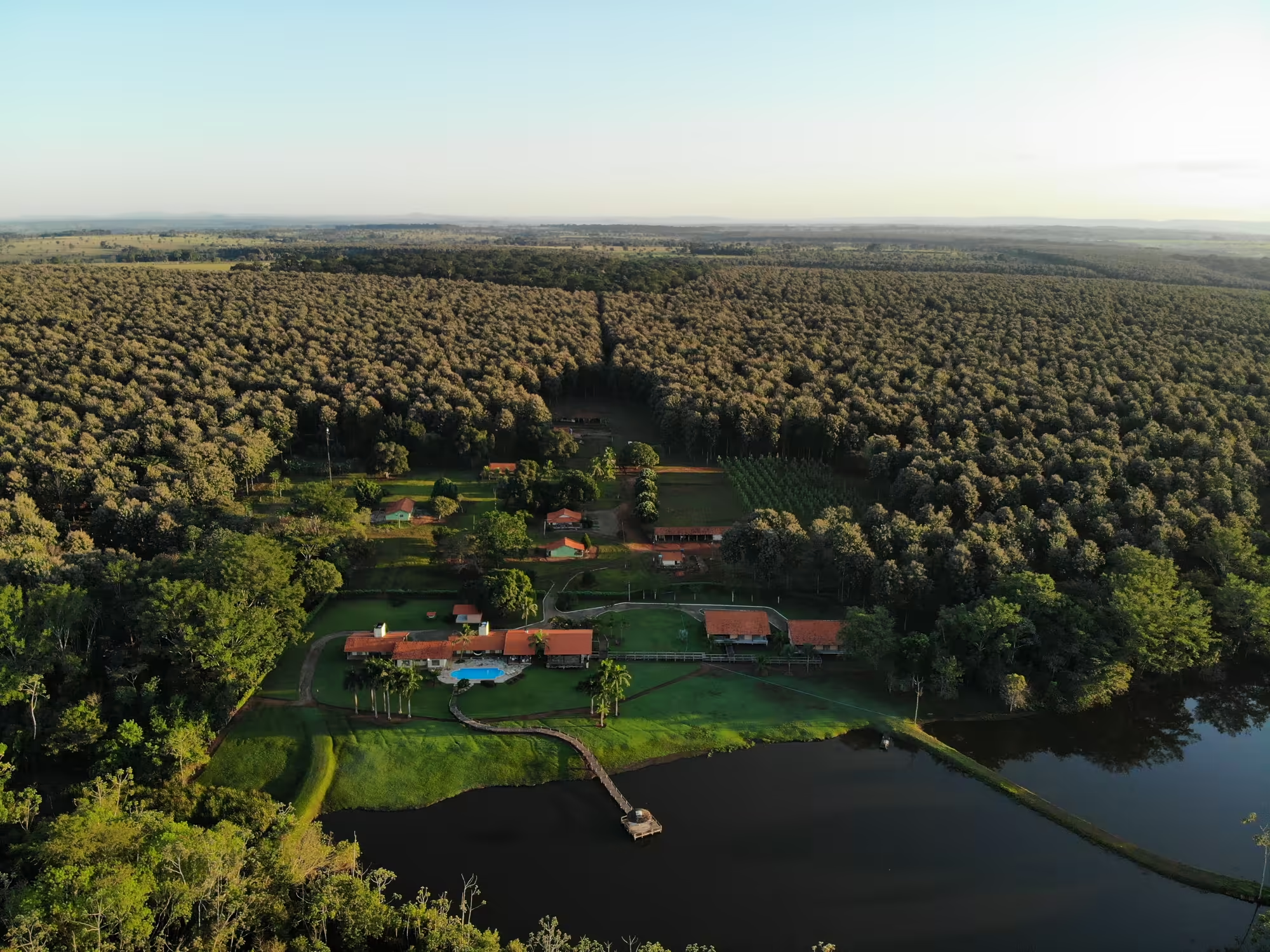
Roughly seven million teak trees across about 6,900 hectares in São José dos Quatro Marcos, Mato Grosso. More than 3,200 hectares are planted with teak; the rest is native vegetation, watercourses and the reserves the management plan requires us to leave standing.
Every hectare was degraded cattle pasture before we planted it.
- Teak trees
- ~7,000,000
- Total area
- ~6,900 ha
- Planted with teak
- >3,200 ha
Location: São José dos Quatro Marcos, Mato Grosso, Brazil